
Pumping systems are central to the reliable movement of water across domestic, agricultural, and industrial environments. From distributing clean water in urban buildings to sustaining irrigation networks and managing wastewater, pumps operate as the heartbeat of modern fluid systems. While manufacturers such as Grundfos, Wilo, Pedrollo, and Davis & Shirtliff have advanced pump design through improved efficiency, automation, and durability, the performance of any pump ultimately depends on correct installation and system integration.
1. Matching the Pump to the System
Proper pump selection begins with accurately determining the required flow rate and total dynamic head (TDH). TDH combines the static lift, frictional losses, and pressure requirements of the system. Undersized pumps will fail to deliver the required discharge, while oversized units may cycle excessively, consume more energy, and cause mechanical strain on pipes and fittings. For example, a booster pump installed in a high-rise building must sustain adequate pressure at the upper floors without creating surges in the lower ones.
2. Foundation and Alignment
A stable, level foundation minimizes vibration and mechanical stress. For surface-mounted pumps, alignment between the motor and pump shaft must be precise to prevent bearing wear. In submersible installations—such as Pedrollo borehole pumps—the unit must be suspended clear of the well wall to ensure proper cooling and prevent abrasion caused by contact with the casing.
3. Piping Layout and Cavitation Prevention
Correct piping design is essential to pump performance. The suction line should be as short and straight as possible, ideally providing a straight length of at least 10 pipe diameters before the pump inlet to reduce turbulence. Poor suction conditions often lead to cavitation, a destructive process caused by vapor bubble formation when local pressure drops below the liquid’s vapor pressure. Cavitation not only reduces efficiency but also causes pitting and erosion on the impeller surface.
Proper installation should also include non-return valves to prevent backflow, isolation valves for maintenance, and air release valves in long suction lines to prevent air locks.
4. Electrical and Control Configuration
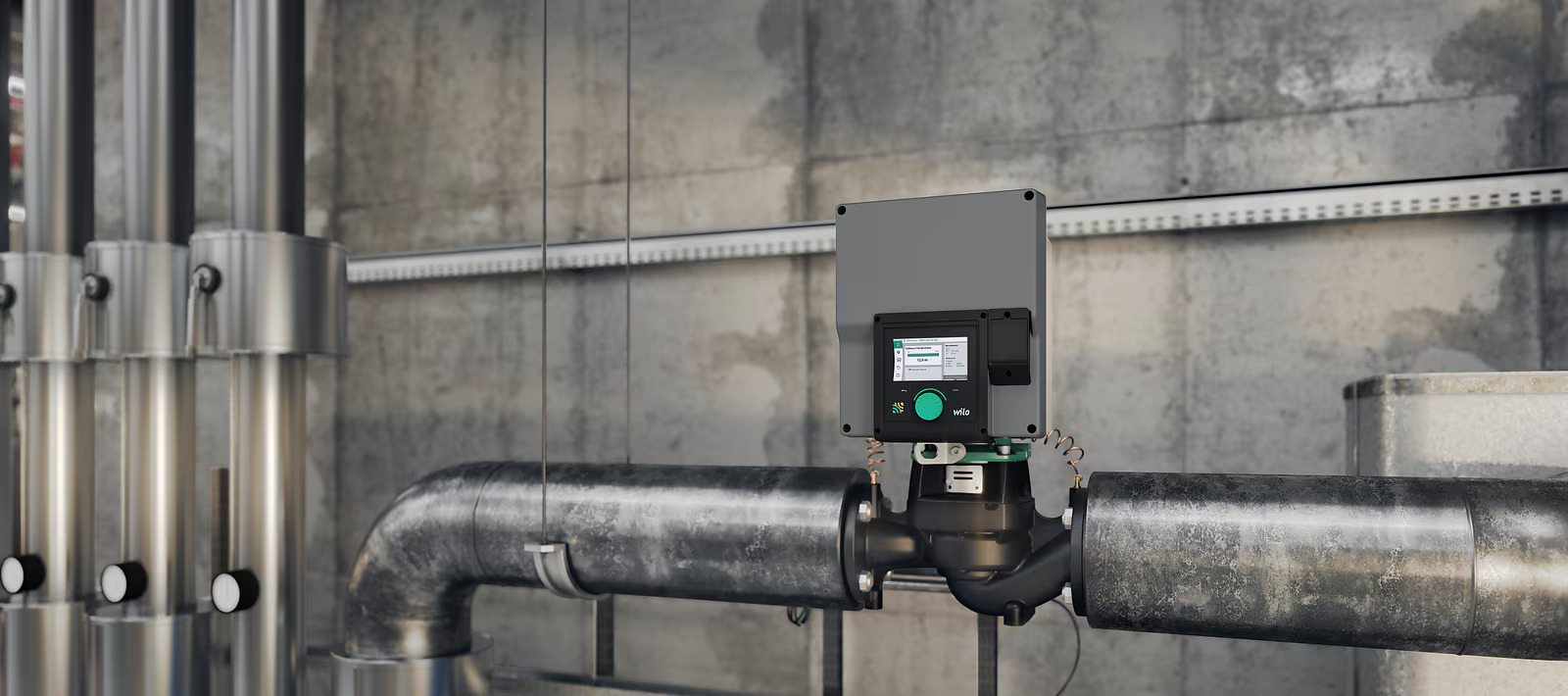
Modern pumps from Wilo and Grundfos often integrate intelligent controllers, variable frequency drives (VFDs), and monitoring sensors. These systems regulate pump speed based on demand, enhancing efficiency and reducing wear. During installation, technicians must set control parameters such as pressure limits, start/stop thresholds, and overload protection. Improper configuration can negate the benefits of smart controls and lead to unstable operation.
5. Load Sharing and System Efficiency
In multi-pump setups—common in industrial plants and water treatment systems—load sharing ensures that pumps alternate or operate in sequence to match demand. This prevents any single unit from overworking, balancing wear and maintaining overall efficiency. Proper synchronization of start-up sequences and pressure setpoints is critical for smooth system operation.
6. The Role of Professional Service Providers
Even with high-quality equipment, system reliability depends heavily on skilled installation and commissioning. Professional service providers possess the tools and experience to match pumps accurately to application demands, verify performance during commissioning, and conduct preventive maintenance. Companies such as Davis & Shirtliff have demonstrated the importance of proper commissioning, particularly in solar-powered pumping systems where consistent delivery depends on fluctuating energy input.
Conclusion
Modern pump technologies deliver exceptional performance, but only when integrated with sound engineering practices. Proper sizing, alignment, piping design, and control configuration safeguard against inefficiency, cavitation, and premature failure. Partnering with professional installers ensures that every pump—whether for domestic water supply, agricultural irrigation, or industrial process—delivers reliable flow, energy savings, and long service life.